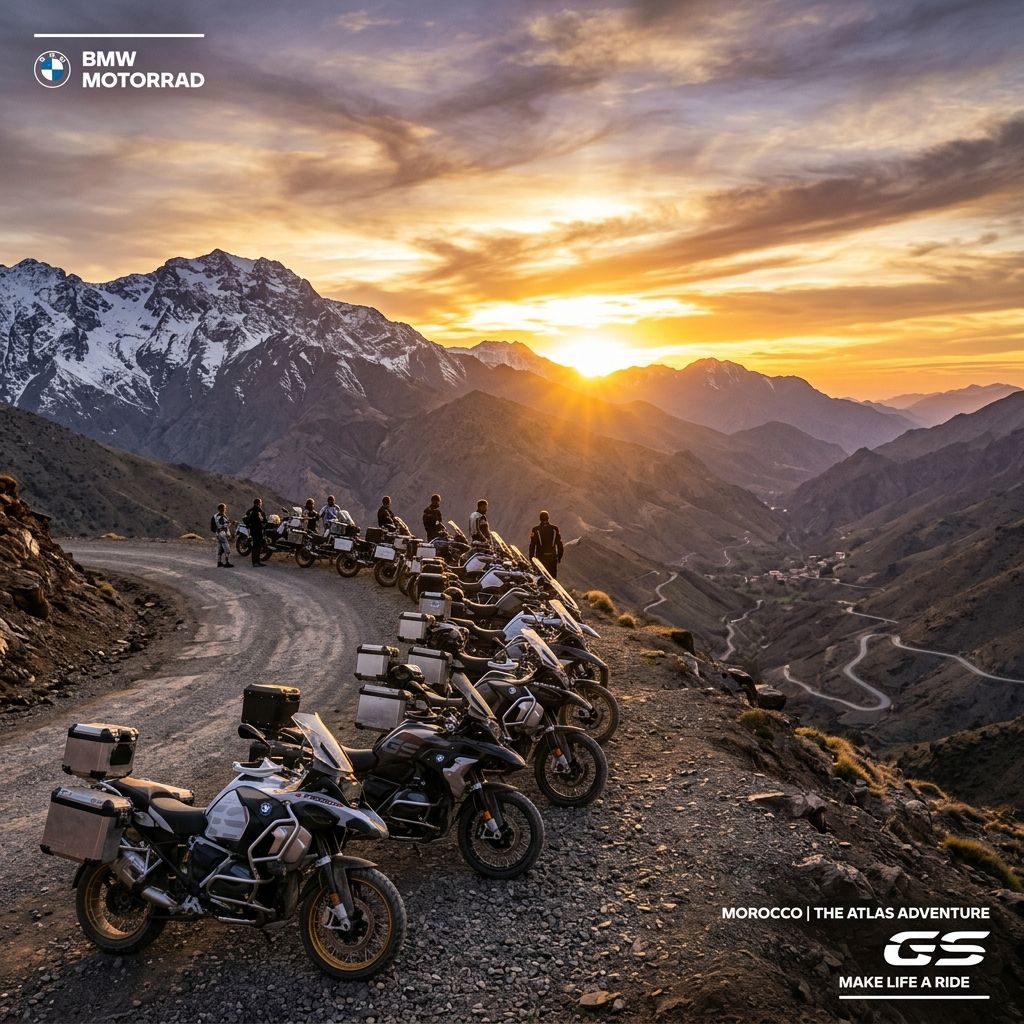
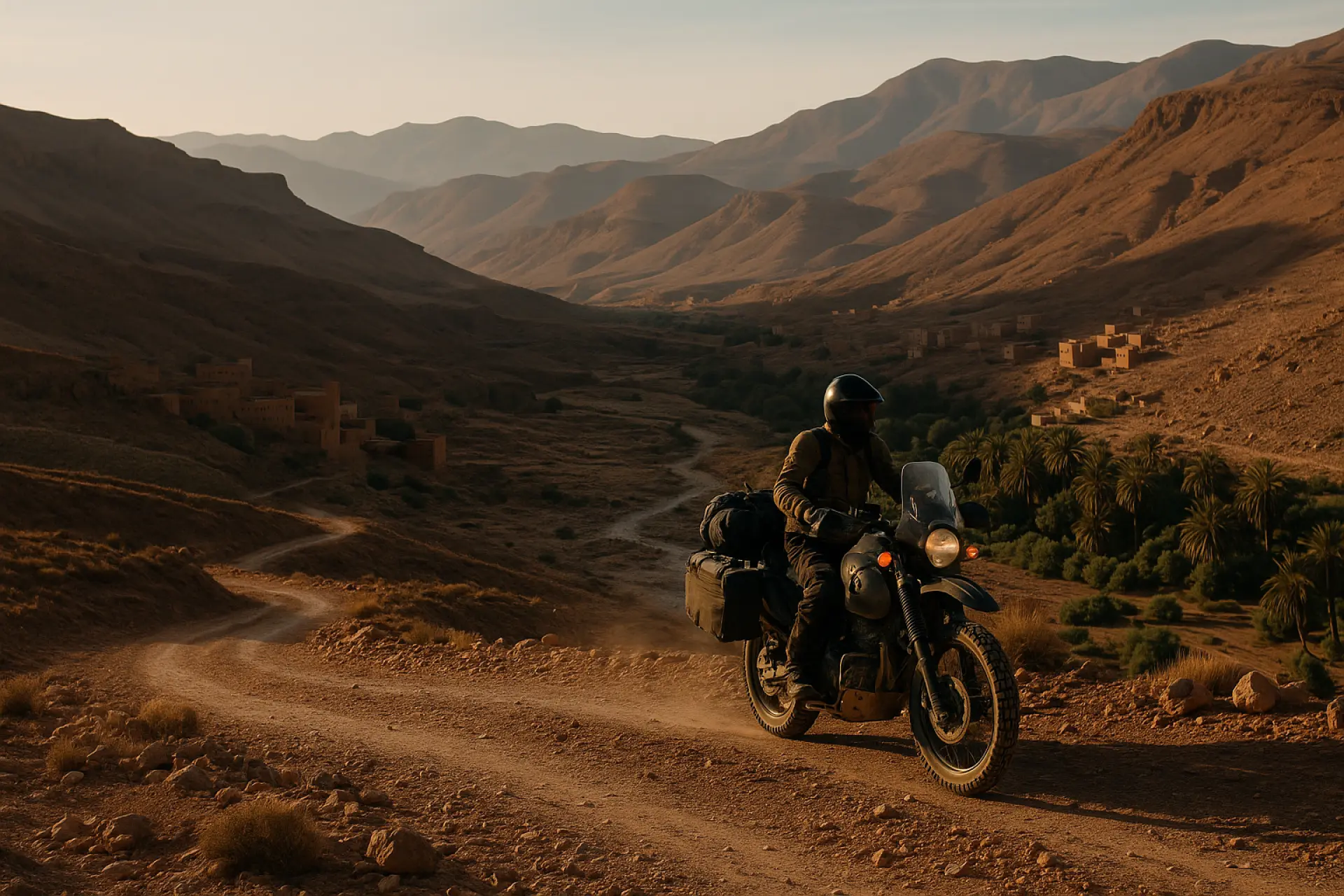
Morocco’s open horizons, challenging terrain, and rich culture have long drawn European riders. If you’re considering a Morocco motorcycle adventure in 2026, prepare for a journey as vivid as the landscapes you’ll cross. Here’s what experienced riders and first-timers alike need to know this year.
Why Morocco is Still an Adventure Motorcycling Hotspot
Morocco offers a rare blend of well-paved tarmac, rugged off-road opportunities, and a welcoming local atmosphere. From the red sands of the Sahara to the twists of the Atlas Mountains and tranquil coastal routes, Morocco is a dream destination for dual-sport and adventure bike enthusiasts.
Optimal Riding Seasons and Route Planning
Best months: Late March to early June and September to early November. These periods deliver pleasant temperatures, clear skies, and manageable mountain passes. Summer can be scorching, especially in the south and desert regions, while winter brings snow to higher elevations.
Atlas Mountains: Ideal in spring or autumn. Expect winding roads, panoramic views, and authentic Berber villages.
Sahara region: Late autumn to early spring is safest. Sandstorms peak in late spring. Temperatures can swing dramatically.
Atlantic coast: Suitable almost year-round, with cooler breezes.
Route Ideas for All Levels
First-time Morocco riders often combine paved and off-road sections. Popular choices include:
Crossing the High Atlas via the Tizi n'Tichka or Tizi n'Test passes
Looping from Marrakech through Ouarzazate, Todra, and Dades Gorges
Venturing south for a short Sahara detour to Erg Chebbi dunes (note: off-road skills recommended)
Experienced off-roaders can discover remote pistes from Zagora or Merzouga or venture west toward the Anti-Atlas for technical riding.
Practical Preparation: Gear, Navigation & Paperwork
Motorcycle: Dual-sport/adventure models 400–1200cc perform best. Tyres with 50-70% off-road capability are ideal for mixed surfaces.
Gear: Layered riding kit for shifting conditions. Bring a waterproof over-suit and sturdy boots. Consider a camelbak for desert stretches.
Navigation: GPS tracks are helpful (consider Gaïa, Osmand, or Garmin units), but take paper maps as backup. Mobile signal is limited off the main roads.
Documents: Passport, visa (if required), motorcycle registration, green card insurance, and, if needed, a carnet de passage.
Safety, Etiquette & Local Advice
Avoid night riding—road hazards and roaming animals are common after dark.
Watch for unexpected weather in higher altitudes. Sudden fog, snow, or flash floods do occur.
Fuel up often in remote areas; stations can be 100km apart.
Respect local customs in villages—dress modestly, ask before photographing people, and support local businesses.
Solo travel is possible but guided tours are recommended for technical off-road sections, language support, and smoother logistics.
FAQ: Morocco Motorcycle Touring 2026
Is it safe to ride solo in Morocco?
Moderately safe if you stick to main routes and towns. For off-road or remote areas, group or guided travel is advised for safety and local support.Can I use my EU/UK licence?
Yes, a European or UK motorcycle licence is accepted for tourists. Carry an International Driving Permit for added assurance.What’s the best way to handle emergencies?
Carry a charged phone with local SIM; in remote zones, satellite communicators are wise. Learn locations of nearby medical centres and embassy contacts.
Ready for Your Moroccan Motorcycle Journey?
Start planning your 2026 Morocco ride now for unbeatable routes and authentic adventure. Whether self-guided or in search of a premium guided experience, expert local teams can smooth logistics and open the door to Morocco’s wildest horizons. Contact us to discuss your dream route or learn more about available motorcycle tours in Morocco.